Cozy Fantasy vs. Cozy Mystery: Which Fits Tonight?
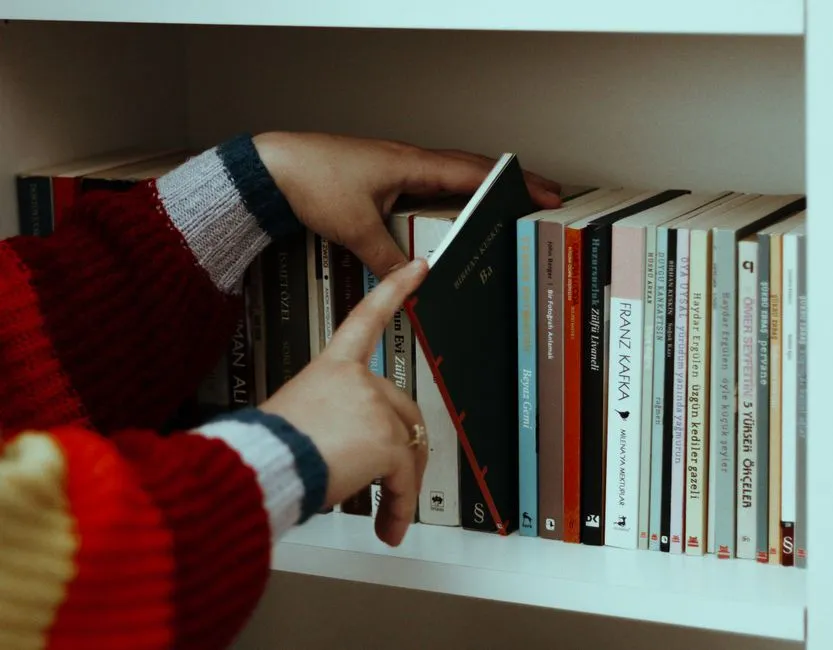
- Choose by the question you want to follow
- What does each shelf put at the center?
- What kind of attention sounds inviting?
- What do two actual premises show?
- Is a puzzle automatically faster than worldbuilding?
- How do series and content boundaries change the choice?
- How can you make the decision without another long list?
- Frequently asked questions
- Sources
Choose by the question you want to follow
Choose cozy fantasy when you want everyday life shaped by magic; choose cozy mystery when an investigation is the main attraction. The useful difference is the story’s organizing question, not a guaranteed speed or comfort level. Fantasy may ask you to learn an imagined setting, while mystery invites attention to suspects and evidence. Check the individual book’s premise, sample, content information, and series position before choosing; neither label promises that difficult material is absent.
This is a desk-researched comparison of reading choices, not a report of having read or ranked the complete novels mentioned below. The decision tools are editorial suggestions.
What does each shelf put at the center?
For cozy fantasy, start by asking what life the characters are trying to build. For cozy mystery, ask what needs explaining and who is trying to explain it.
Penguin Random House’s cozy-fantasy introduction describes the subgenre as typically low-stakes with moderate worldbuilding. That is a tendency, not a rule that every magical name will be immediately clear.
Kensington’s Cozies imprint specifies amateur sleuths, an off-page murder, limited explicit material, and developing professional and personal relationships. These are one imprint’s criteria, not a guarantee for everything carrying the label.
The broader cozy genre guide covers the shared family resemblance. Here, choose between the different jobs those stories might do for your evening.
What kind of attention sounds inviting?
| What you want tonight | Consider first | What to check in the individual book |
|---|---|---|
| Discovering how an unusual place works | Cozy fantasy | How much context the opening introduces |
| Following a question toward an explanation | Cozy mystery | Whether the investigation itself interests you |
| Watching a workplace or household develop | Either | Whether that development is central or background |
| Returning to familiar characters | Either | Series sequence and prior-story dependencies |
| Avoiding a particular distressing subject | Neither label is enough | Specific content information, not jacket atmosphere |
One reader finds invented customs inviting and suspect lists tiring; another finds the puzzle clarifying and scene-setting slow.
Instead of asking which genre is easier, ask which uncertainty you enjoy. Would you rather discover what the magic permits, or why somebody’s account of an event does not fit?
What do two actual premises show?
Fantasy: building something new
In Travis Baldree’s Legends & Lattes, Viv leaves adventuring behind to open a coffee shop in Thune, where coffee is unfamiliar. Tor’s publisher description also identifies rivals and the need for help from others.
The premise gives a concrete selection reason: choose it as a candidate when establishing a new life sounds more appealing than solving a crime. It does not establish that every event is gentle.
The publisher’s displayed opening excerpt follows Viv arriving in Thune and looking for a location. That narrow observation illustrates an opening organized around arrival and a practical goal. It is not a verdict on the complete novel’s speed, emotional effect, or content.
Mystery: explaining what happened
Jenn McKinlay’s Books Can Be Deceiving follows Briar Creek library director Lindsey Norris. After her friend Beth’s boyfriend is found murdered and Beth becomes the main suspect, Lindsey investigates. Berkley’s page supplies that premise and identifies the series beginning.
Choose this candidate when an investigation involving a friend is the attraction.
This is a comparison of premises, not a claim that one novel has better prose, fairer clues, fewer upsetting scenes, or faster chapters. The cozy-mystery starting guide offers further setting-based options.
Is a puzzle automatically faster than worldbuilding?
No. The presence of an investigation or magical setting does not establish chapter-by-chapter speed.
Separate plot direction from reading pace. Direction means knowing what question or goal you are following. Pace is how the particular telling feels as you move through it.
Use an authorized sample to check your own response: Are you curious about the next event? Are introductions accumulating faster than you want? Do you enjoy the dialogue? A sample answers questions about those pages, not every later chapter.
If the fantasy side interests you but the terminology is unclear, the cozy-fantasy definition explains its conventions without making shops, romance, or a specific amount of magic compulsory.
How do series and content boundaries change the choice?
Do not use “fantasy” as shorthand for standalone or “mystery” as shorthand for a long commitment. The cited Macmillan page labels Legends & Lattes Volume 1; Berkley calls Books Can Be Deceiving the start of a series. Neither label obliges you to read another book.
Check the specific volume’s publisher record, sequence, and description. Prequels and publication order can be different questions. If avoiding earlier-story spoilers matters, ask a librarian about a suitable entry point.
Content boundaries come before comparing atmosphere. If death is unwanted, an off-page murder still does not meet that preference. If a particular subject is unresolved in available information, do not convert that silence into reassurance. A sample cannot clear the unread remainder.
How can you make the decision without another long list?
Use this original two-candidate exercise:
- Write the kind of curiosity you want: a place developing, a case unfolding, or something else.
- Name any firm content boundary separately.
- Choose one candidate from each shelf and record only what its description or sample establishes.
- Continue with the better fit, or leave both aside if neither answers the need.
A fictional reader might write: “I want a clear question, but learning magical terms sounds unappealing tonight.” That points toward sampling a mystery, not toward a claim that all mysteries are simple. Another might write: “I want daily work and friendship, and I do not want a murder premise.” That points toward searching fantasy with the content requirement still unconfirmed.
Choose one promising book; the other shelf remains available.
Frequently asked questions
Which is easier to read, cozy fantasy or cozy mystery?
Neither shelf is uniformly easier. A fantasy may introduce unfamiliar places or magical rules; a mystery may ask you to remember relationships and evidence. Decide which kind of attention sounds welcome, then sample the particular book. The number of invented names or suspects alone does not measure prose difficulty or enjoyment.
Can a cozy mystery also be fantasy?
Yes. Magic and an investigation can belong to the same story. When choosing a hybrid, ask whether the central attraction is solving the case, exploring the magical setting, or both. Do not assume that combining two cozy labels makes the book milder, simpler, or free of content you would rather avoid.
Are cozy fantasies always slower than cozy mysteries?
No. Genre labels do not establish a whole book’s pacing. A mystery can pause for community life, and fantasy can include urgent obstacles. Look at an authorized sample for the opening’s movement and ask what keeps you interested. A publisher’s premise cannot prove chapter-by-chapter speed or guarantee that the rest matches the sample.
Do I need to commit to a series on either shelf?
No. Check the publisher’s series information for the particular title instead of assuming fantasy means standalone or mystery means unlimited sequels. Starting with an identified opening volume is a practical option when continuity matters. It does not obligate you to continue, and a volume number alone does not prove that every plot thread closes.
Which shelf should I choose if I want no murder?
Do not choose a murder mystery on the assumption that cozy removes the death. A fantasy may be a better place to search, but verify the specific title rather than assuming that shelf is death-free. Consult publisher or author content information and a librarian; unresolved information is not evidence that the subject is absent.